
5 Reasons Why We Love Tokyo

Quick answer: People love Tokyo for its everyday convenience: konbini stores on every corner, vending machines, very punctual trains and a city that is generally very safe. It also has quirky themed cafes and restaurants. If you want to live and work there, Japan is one of the destinations where you can intern.
Tokyo, the capital of Japan, is an amazing modern metropolis.
Tokyo is one of the world’s biggest business cities and is often cited as the city with the most Michelin-starred restaurants. It also hosted the Olympic Games.
But those aren't the only reasons we love Tokyo. Read on to find out what they are.
1. Convenience Stores (also known as Konbini)
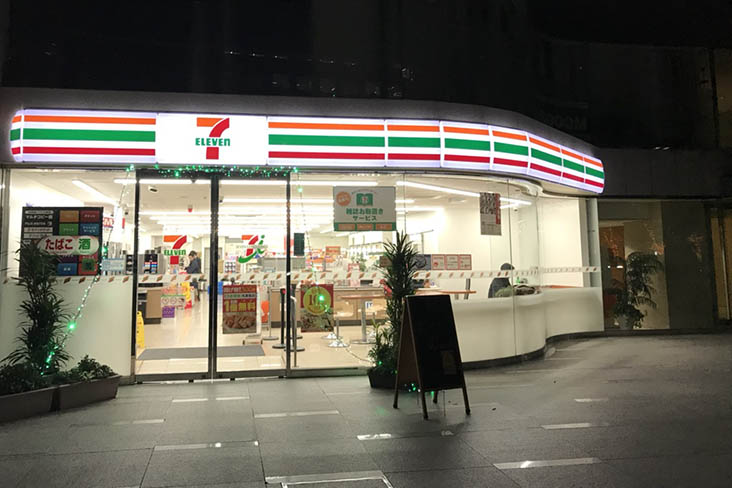
Convenience stores, shortened to konbini by the Japanese, are a ubiquitous part of everyday life in Japan.
The big three brands of konbini are 7-Eleven, Lawson and Family Mart.
They all have different unique selling points, but all offer amazing products and services using limited storage space.
Shelves are stocked full several times daily with fresh food, magazines, and popular products. The high competition between the brands means prices are cheap and competitive.
They only stock products that sell, so nothing stays on the shelves for long. Food products often found in konbini include bentos (Japanese lunch boxes), bread, fruit, onigiri (rice ball), sweets, ice cream, instant noodles and savory snacks.
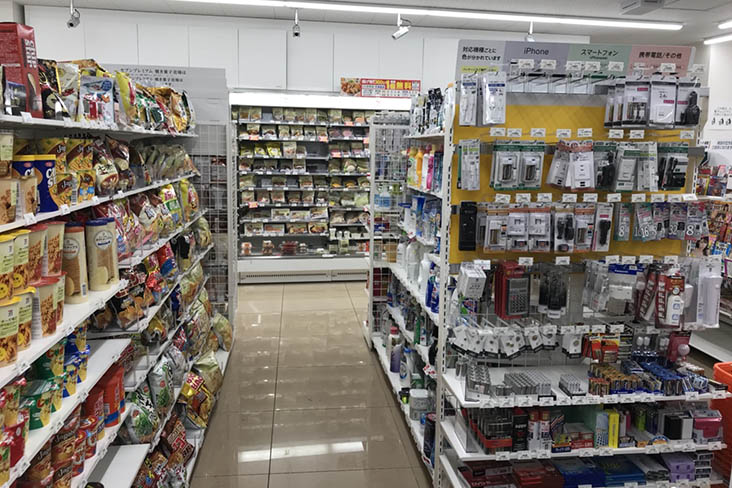
Drinks in konbinis include water, juice, tea, coffee, soda, milk, sports drinks, and alcohol.
Depending on the drink, you can get them hot or cold! Konbinis also provide useful services for people.
What else can a konbini do for you?
You can pay your bills, purchase tickets, find ATMs that accept foreign cards, post or pick-up items and sometimes they also have a public bathroom.
Depending on the season, weather, or location, konbini products will change.
In spring you will find many sakura flavored products and in winter you will find many hot foods such as oden and nikuman that are more absent during summer.
When it rains, konbinis bring out their umbrella and raincoat stock in the stores. Depending on the konbini location, you may find unique products or services not offered elsewhere.
For example, in the business districts, you will find a photocopier available at the konbini for business people or prospective hires to use.
Convenience stores in Japan just make you long for one to be built outside your home!
2. One of the Safest Cities in the World
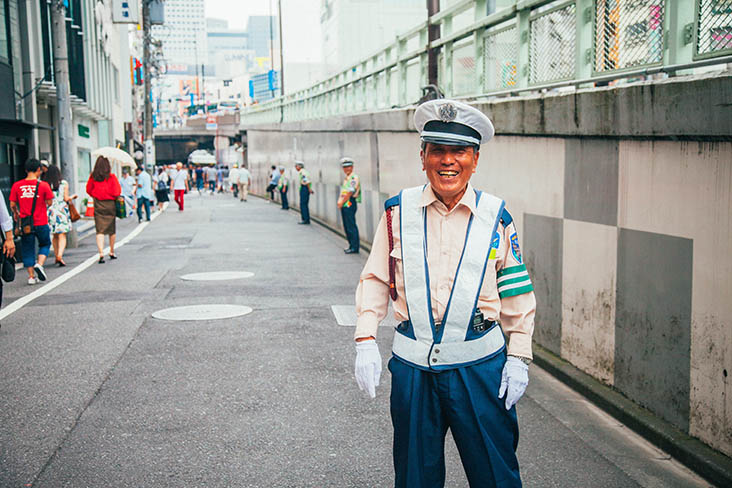
Exploring Tokyo feels very liberating because the city is very safe. In fact, Tokyo has often been called the safest city in the world!
The reputation of being safe ironically can make Tokyo less safe if you let your guard down.
As a crowded city, there is a risk of petty crimes, but it is still quite low in comparison to many other cities.
Keep your belongings close to you and store anything important (wallet, phone, passport, etc) safely to eliminate the chance of possible pickpocketing.
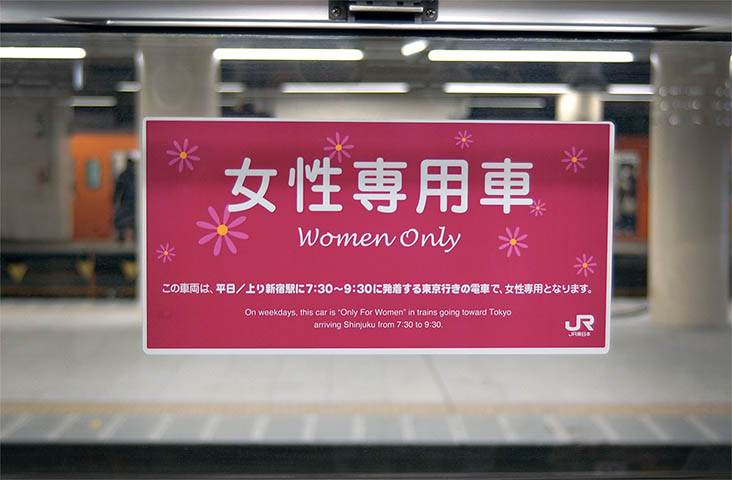
For women, there is also always the concern of being groped in the trains during rush hour. However, trains often have a women-only carriage to counteract this issue.
In popular nightclub areas like Roppongi, it is advised to exercise caution at night.
Always make sure to check the menu to avoid a surprisingly expensive bill at the end and pay it with cash.
Of course, it would be remiss to not mention the potential for natural disasters in Tokyo.
Due to strict regulations, buildings and infrastructure are made to withstand earthquakes.
Japan National Tourist Organization has provided a website and a mobile application with safety tips and information alerts for tourists.
Safety in Tokyo is taken seriously, however, we recommend being cautious to avoid unpleasant situations!
3. Interesting Themed Cafes and Restaurants
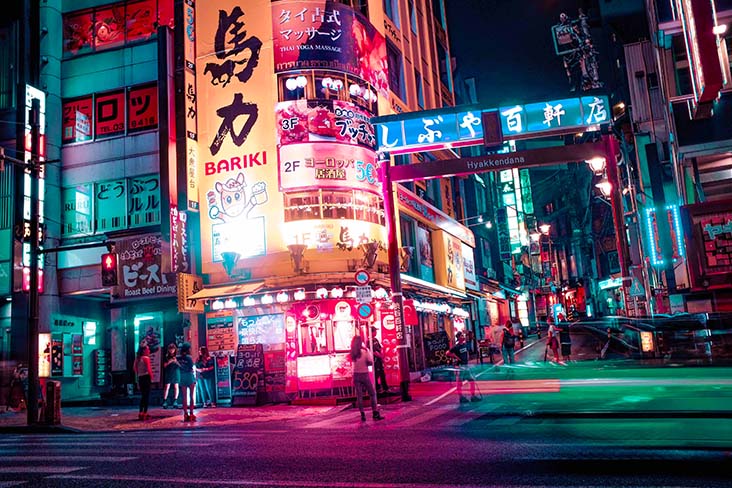
Like every other city in the world, Tokyo has its quirks. One of them is the abundance of themed cafes and restaurants you find around the city.
These themes can be generic, abstract or based off of popular characters in brands or media.
Themed cafes and restaurants are a fun experience, especially for die-hard fans who will enjoy all the attention to detail these locations provide.
Kawaii in Japanese means cute and has a culture surrounding it, unique to the country.
Kawaii Monster Cafe takes the concept to the extreme. This cafe will throw you headfirst into a colorful and bizarre, but unforgettable world.
Pompompurin Cafe
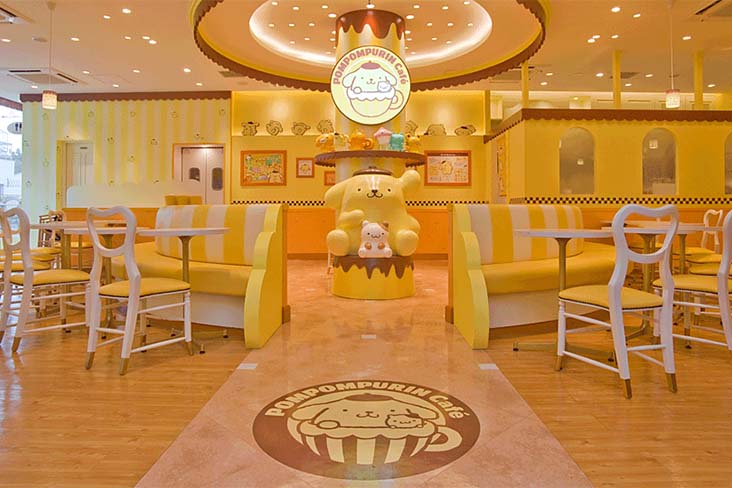
If you love cute characters, a place like Pompompurin Cafe is ideal for you. This cafe is very popular, so be prepared to get there early or wait.
Character cafes often also have a merchandise store next door as well. And these places are just a few of many themed restaurants and cafes out there for you to explore!
4. Getting Around the City is a Breeze
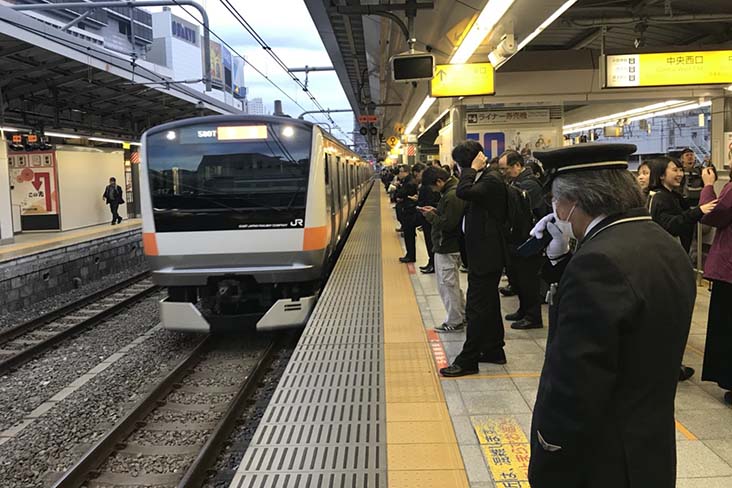
Tokyo is a very large city made smaller, thanks to its excellent transportation system.
Though sometimes crowded, the infrastructure does an excellent job of providing transport to the numerous inhabitants and travelers in the city.
There are many modes of transportation, each with their own strengths and weaknesses.
Taxis are very safe and reliable, but also expensive to use on a regular basis.
However, you don't need to take a taxi to get around as public transportation covers most of Tokyo.
Buses are a cheap way to get around as you will normally pay a flat fare in Tokyo, price dependent on the route.
When the announcement in Japanese says you are approaching your stop, you press the button to let the driver know you are getting off.
This system can make it difficult for newcomers and foreigners to use the bus.
Why is the train the best way to get around?
The most popular mode of transport that is affordable and easiest to use is the train. Maps are very clear, have English writing and more accessible for foreigners compared to buses. They are also very punctual, Japanese trains usually arrive and depart exactly on time, so don’t be late!
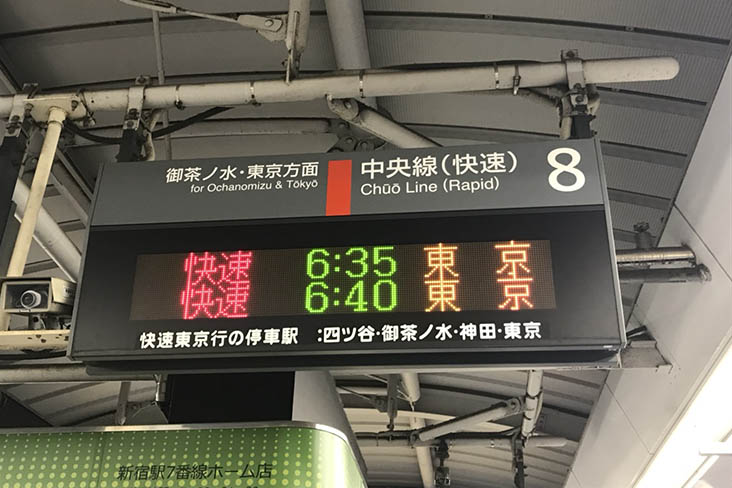
In the rare case of a delay, there is an announcement as well as an apology issued, even if it's as small as 1 minute.
The trains can get very crowded during peak hours, but the people riding with you are very considerate.
What is train etiquette in Tokyo?
This is because Japan has etiquette on behavior while at the train station and riding the trains.
Japanese queue up to get on trains, and wait for people to get off before boarding.
Place your phones in silent or vibration mode to avoid disturbing other passengers.
Texting, browsing the web and playing games is acceptable, provided there is no sound.
It is also considered bad manners to talk on your cell phone or talk loudly while on the train.
Taking transportation in Tokyo is amazing, there's nowhere in the city (or out) you can't explore!
5. Plentiful Vending Machines
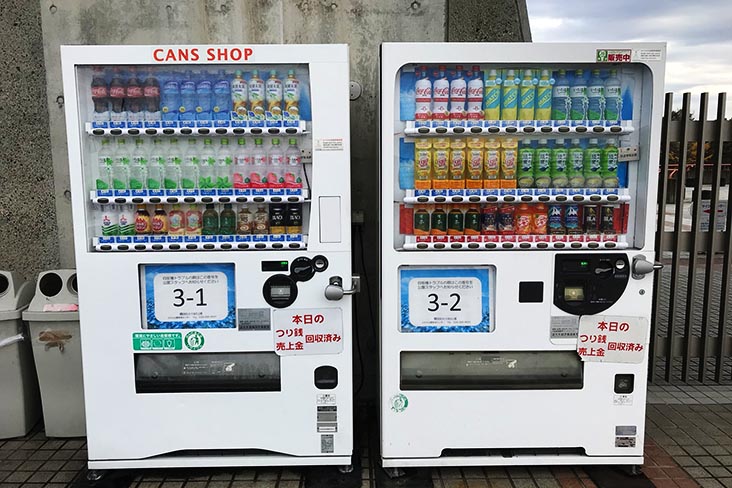
Vending machines are a common sight around Tokyo and often grouped in a row.
They can be found on busy streets, small alleys, train stations, on the trains themselves, and other strange places.
Hostels and hotels may even have a vending machine inside them.
These machines primarily sell drinks, and you will never feel thirsty while walking around thanks to them. There is also usually a recycling bin nearby as well! Vending machines can distribute both hot and cold drinks, color coded red and blue respectively.
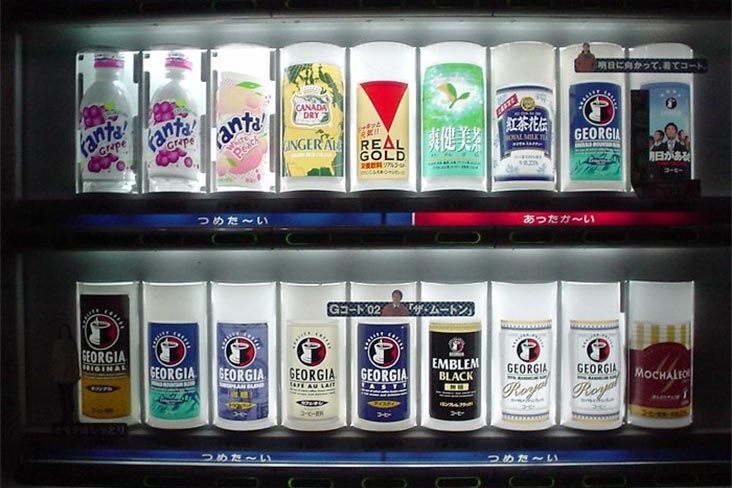
These machines can also stock amulets, noodles, books, batteries, underwear and umbrellas.
Keep in mind that depending on the vending machine and its location, the price may differ by about 20 to 50 yen.
Vending machines are also used in businesses too, in lieu of a clerk or cashier.
Japan is continuously looking to automate their society, so don't be surprised if a food stall requires you to use a machine to process your purchase!
In a society where cash is used more than credit, vending machines are a great way to spend some of your loose change.
Want to experience Tokyo yourself?
Experience Japan with our internship program and see Tokyo for yourself! Are you curious to see the other cities we love?
Check out 5 Reasons Why We Love Bangkok.
If you love Tokyo too, share this post with a friend! APPLY NOW! or LEARN MORE
FAQs
What is a konbini in Japan?
A konbini is a Japanese convenience store. The big three brands are 7-Eleven, Lawson and Family Mart. They sell fresh food, drinks and snacks, and also let you pay bills, buy tickets, use ATMs that accept foreign cards and more.
Is Tokyo safe?
Tokyo is generally considered one of the safest big cities in the world. Petty crime such as pickpocketing still happens in crowded places, so keep your belongings close, and take care in nightlife areas such as Roppongi. Many trains have women-only carriages at rush hour.
Is it easy to get around Tokyo as a foreigner?
Yes. Trains are the easiest and most popular option, with clear maps in English and very punctual service. Buses are cheaper but harder for newcomers because stop announcements are in Japanese. Follow train etiquette: queue, keep your phone silent and avoid talking loudly.
Can I do an internship in Tokyo?
Asia Internship Program arranges internships in Japan. You need to be 18 or over, and everyone is welcome whether you are a student, a graduate or changing careers. Most host companies work in English, and every program includes visa assistance and 24/7 emergency support. Most international internships are unpaid. See our Japan page for the cities and fields available.
Ready to take the next step? See our internships in Japan or how it works.
Thinking about interning in Asia?
Browse destinations, then apply. It's free to apply, and you only pay a deposit once we accept you.
 Daniele Cosentino


